At ‘Souls, we divide verbal communication into two “levels” — high speech and low speech. Major predators, such as wolves, coyotes, jaguars, bears, and mountain lions, generally speak high speech. Smaller predators, such as badgers, and most herbivores and omnivores speak low speech.
High Speech
High speech is spoken by almost all apex predators. High speech is further subdivided into regional languages, such as English, French, Russian, etc. For example, wolves in most parts of Canada would naturally speak English, while wolves specifically from Quebec may speak French, English, or both. In general, the high speech languages between mammalian species are very similar. An English-speaking wolf is able to communicate with an English-speaking bear without trouble.
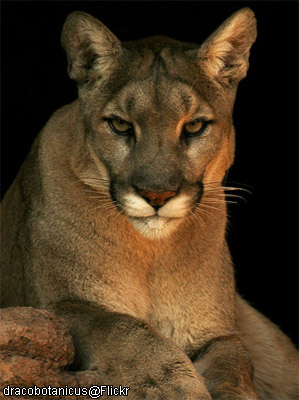
However, the more different a species is, the more language may begin to diverge. An English-speaking alligator may have some trouble understanding an English-speaking coyote because mammalian dialects differ significantly from reptilian ones. Think of this difference as the difference between Old English and modern English — it would take a significant amount of learning for a speaker of one to understand the other, but many of the core attributes are still the same.
Low Speech
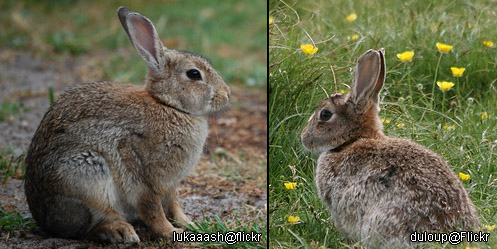
Low speech is spoken by lesser predators and prey animals, including horses, deer, rabbits, and birds. Like high speech, it is also subdivided into various languages, though these may not mimic human languages as precisely. Low speech contains more divergences and consists of hundreds of dialects. These dialects vary by species, subspecies, and region.
Species where groups of individuals tend to stay in a localized area will have much more variation — for example, many rabbits stay with the same warren their entire lives and never venture out of their immediate area. These rabbits may have a very specific dialect foreign to otherwise identical rabbits from some distance away — much less other species of rabbits. Meanwhile, migrating birds, such as ducks and terns, would have a more stable language.
Low Speech in Roleplay
In roleplay, characters speaking low speech should not have their dialogue written out in the same manner as high speech. A meaning may be conveyed, but translations cannot be exact or word-for-word. For example, it is all right to say:
The bird nodded and warbled excitedly. The wolf understood her words to mean that the rain was coming, but it was difficult to make out the specifics given her obvious excitement.
But it is not all right to say:
“‘A storm’s comin’! A storm’s comin’!” the bird shrieked in low speech.
In the former, a general message is understood. In the latter, actual words are attributed to the bird, which is not allowed (even if the roleplayer specifically states the words are in low speech). This helps to alleviate confusion as to who can understand the low speech as well as potential confusion regarding the level of depth and conversational ability a low speech speaking creature can attain.
Note: this applies regardless of who is speaking low speech. Whether it’s your wolf character or a bird or a horse — if they’re speaking low speech, they cannot have written dialogue!
Differences
The specifics of low speech languages tend to be much more basic than high speech languages — there are fewer synonyms, fewer words in general, simpler sentence structures, and fewer advanced communicative techniques like metaphors and sarcasm.
Learning High Speech
Because of the limitations of their natural language, most of animals that speak low speech naturally are unable to speak any manner of high speech. This is not necessarily a limitation of intelligence, but the differences between high- and low speech are incredibly significant.
Given repeated exposure, many low speech speakers may gain some listening, understanding, and comprehension skills; however, they remain unable to speak any word of high speech. This is akin to a horse understanding verbal commands, for example — the horse can’t speak the words, but they may understand a select number of simple commands such as “stop” and “go.”
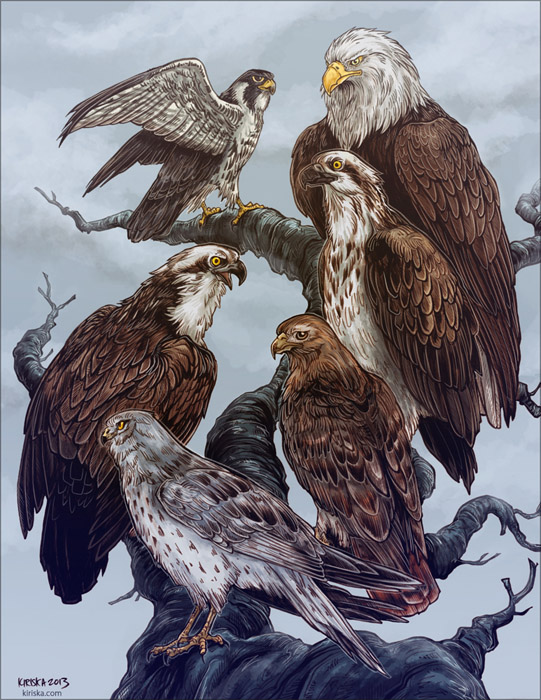
Due to innate adaptability and flexible thinking skills, some species, such as crows and rats, can eventually learn to speak a handful of words and communicate basic ideas in broken high speech.
Other especially intelligent species — small cats, apes and monkeys, seals and walruses — are able to learn fluent high speech, after prolonged consistent exposure. Though these species still speak low speech naturally, in some rare circumstances, they may become better at speaking high speech than low speech.
Learning Low Speech
It is similarly difficult for animals that speak high speech naturally to learn low speech. In the first place, the differences in species is usually the greatest deterrent. It can be very difficult for a high speech-speaking mammal to even begin recognizing the sounds of a bird as anything more than noise and gibberish, and few are be motivated to try. The great number of specific dialects often makes it difficult to gain repeated exposure to the same one as well.
The lack of word or concept equivalents in many dialects make low speech languages seem unnecessarily limited and therefore frustrating to high speech individuals. It would take a very dedicated wolf to become fluent in any low speech dialect, and even then, they may be at a complete loss when presented with low speech of a differing dialect.
Speech by Species
The following table is a comprehensive guide to what species speaks what speech. See Wikipedia for lists of specific species as per their taxonomic group.
No Speech |
Low Speech |
| These species have no known method of communication. | These species may obtain a limited comprehension of high speech, but will never be able to speak it. Asterisks (*) indicate exceptions in a more specific taxonomic division. |
| All phylums and subphylums of Animalia outside of Vertebrata (all species without backbones, so slugs and bugs and anemone) All fish, including sharks |
 Class Amphibia (all amphibians) |
Low Speech |
Low Speech |
| The following species communicate in low speech, but they are capable of learning to speak BROKEN high speech. | The following species communicate in low speech, but they are capable of learning to speak FLUENT high speech. |
| Order Proboscidea (elephants) Infraclass Marsupialia (all marsupials) Suborder Serpentes (snakes) Infraorder Viverroidea* (civets, genets, mongooses, fossa) Superfamily Musteloidea (red pandas, skunks, weasels, raccoons) Family Varanidae (komodo dragons, etc) Family Psittaciformes (parrots) Order Cathartiformes (vultures) Order Falconiformes (falcons) Order Accipitriformes (hawks, eagles) Order Strigiformes (owls) Genus Corvus (crows) Genus Pica (magpies) Genus Cyanocitta(blue jay, Stellar’s jay) Genus Rattus (rats) |
Genus Felis (domestic cats, wildcats) Genus Otocolobus (Pallas’s cat) Order Primates (lemurs, monkeys, apes) Superfamily Pinnipedia (seals, walrus) |
High Speech |
|
| The following groups speak high speech naturally. | |
| Order Crocodilia (crocodiles, gavials, caimans, and alligators)** Order Cetacea (whales, dolphins, and porpoises)** Class Canidae (wolves, foxes, tanuki, maned wolf) Class Felidae (EXCEPT Genus Felis, Genus Otocolobus) Class Ursidae (bears) Family Hyaenidae (hyenas, aardwolves) ** It’s high speech, but it would take a lot of learning for these species to communicate effectively with canines, etc, because of vocal differences. |
Speech Overview Table
Here’s a distilled overview of the different speech types.
Natural Low Speech |
Learned High Speech (Broken) |
Learned High Speech (Fluent) |
Natural High Speech |
|
| Written Out in Roleplay? | NO | Yes | Yes | Yes |
| Speakers | Low intelligence small predators, herbivores, many omnivores | Moderately intelligent small mammals, predatory birds | Highly intelligent mammals | Highly intelligent mammals and apex predators |
| Dialects | Hundreds; varies by region, species, subspecies | Various; regional high speech languages may be tainted with varying degrees of low speech “accents.” | Regional languages (English, French, Russian, Japanese) | |
| Example (1) | The bird warbled excitedly. Oriax understood her, unlike his companions, but her excitement made specifics difficult to discern. | The hawk nodded, his speech thicker than any Luperci accent had a right to be. “Storm soon. Cold.” | Depends on the individual and their ability to speak High Speech — can be like low, broken, or natural high speech. | “There’s a storm coming,” the cougar remarked. “Yeah,” agreed the brown coyote. “So?” asked Eli, frowning. |
| Example (2) | The mouse bleated several squeaks while in front of Enlil. Though the coyote understood the little rodent, he knew his sister could not. | “Sister. Here,” the snake hissed. The words were difficult for Enlil, but they were there. His mother growled softly at the sound of them. | The crocodile hissed and clicked. Clearly, this meant something — he repeated this — but Oriax couldn’t understand it. | |